Clinic Services

Our team specializes in comprehensive rehabilitation and chronic critical care.

At Santa Catalina, a multidisciplinary team —specialists from various fields including neurologists, physiatrists, respiratory and physical therapists, occupational therapists, speech-language pathologists, nutritionists, psychologists, and other professionals— provides rehabilitation for a wide range of neurological, respiratory, and motor conditions, in both inpatient and outpatient units.

Pathologies

Our team specializes in comprehensive rehabilitation and chronic critical care.

We start with a precise diagnosis and implement treatment plans that promote recovery processes tailored to each patient’s condition.
Most frequent pathologies

CVA

Cerebrovascular Accident

Read more


ALS

Amyotrophic Lateral Sclerosis

Read more

NPE

Chronic Non-Progressive Encephalopathy

Read more


COPD

Chronic Obstructive Pulmonary Disease

Read more

It is the leading cause of disability in adults.
Recovery during this stage depends on several factors: the type of injury (ischemic or hemorrhagic), its size and location, and the patient’s overall clinical condition.
Age, previous health status, and any complications that arise during the rehabilitation phase also influence the prognosis.

Diseases affecting various organs (such as the heart, lungs, or kidneys) can lead to a range of neurological disorders secondary to organ failure.
Anoxic encephalopathy is caused by a sudden drop in blood oxygen levels or a significant reduction in cerebral blood flow. The development of neurological symptoms depends more on the severity and duration of the episode than on its specific cause.

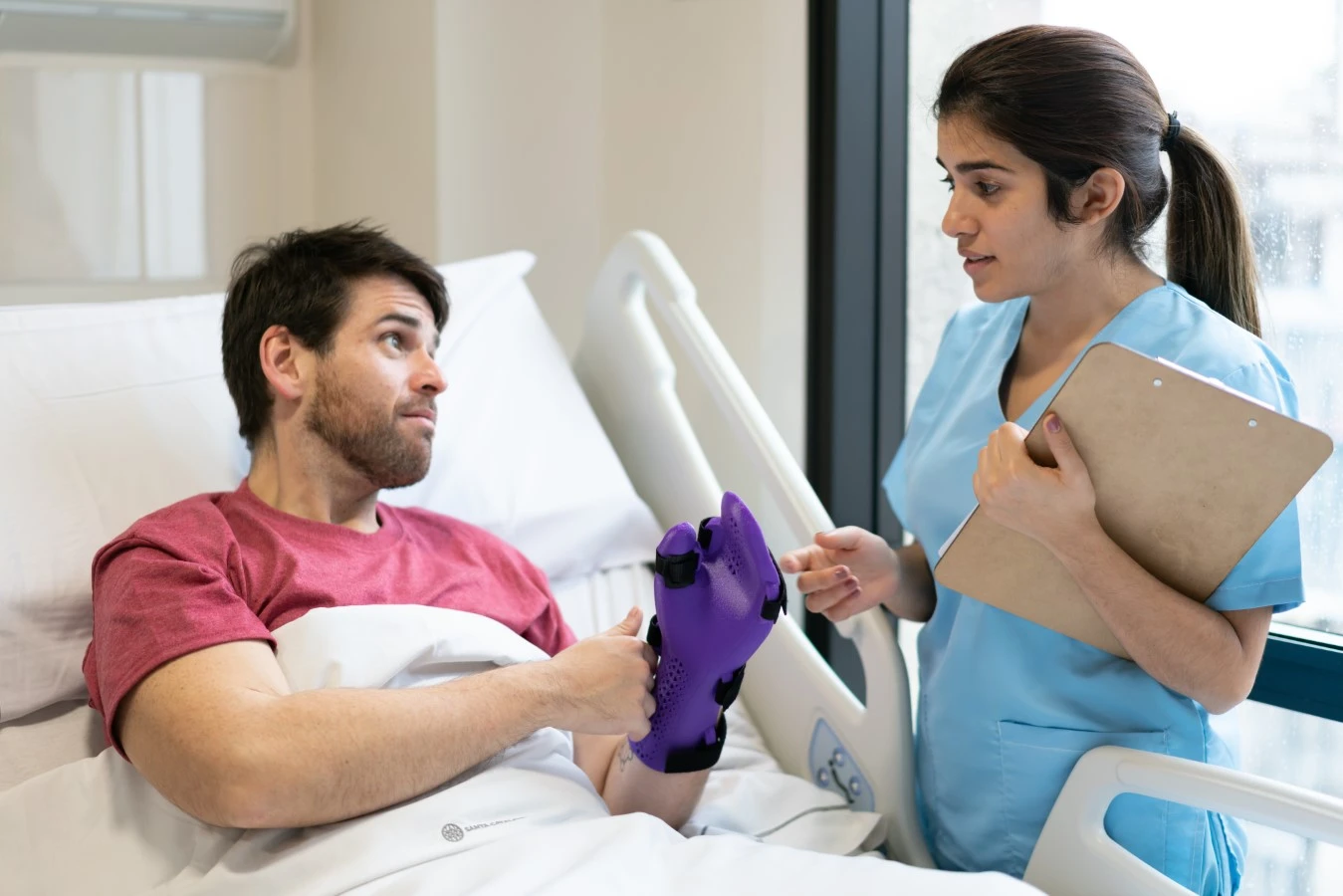
Rehabilitation for patients with neurological conditions can be carried out during inpatient care following referral from an acute care center, on an outpatient basis, or even at home.
Inpatient rehabilitation is clearly indicated for patients with severe neurological impairment and high levels of dependence. During hospitalization, rehabilitation focuses on increasing independence and facilitating reintegration into the home environment. Whenever possible, inpatient rehabilitation is initiated as early as the diagnosis, acute treatment, and the patient’s clinical stability allow.

Our clinics provide rehabilitation for a variety of respiratory conditions, including:

-Weaning from mechanical ventilation in patients with difficult ventilator withdrawal
-EPOC (Chronic Obstructive Pulmonary Disease)
-Asthma
-Pneumonia
-Pulmonary Fibrosis
-Pre- and post-lung transplant rehabilitation

This is the leading cause of disability in children and young adults.
Patients with moderate to severe injuries —which account for at least 30% of all cases— typically require inpatient rehabilitation.
The size, number, and location of the lesions are key factors in determining the prognosis for recovery. Motor impairments generally recover faster than behavioral or cognitive alterations.

Primary tumors of the central nervous system originate in neural and extra-neural structures.
The cause is unknown, and the symptoms in patients depend on the tumor’s location and behavior. The spread of a tumor to the central nervous system is the most common cause of intracranial tumors. Rehabilitation treatment is carried out after oncological and/or neurosurgical treatments have been completed.

Rehabilitation for patients with neurological conditions can be carried out during inpatient care following referral from an acute care center, on an outpatient basis, or even at home.
Inpatient rehabilitation is clearly indicated for patients with severe neurological impairment and high levels of dependence.
During hospitalization, rehabilitation focuses on increasing independence and facilitating reintegration into the home environment.
Whenever possible, inpatient rehabilitation is initiated as early as the diagnosis, acute treatment, and the patient’s clinical stability allow.

Diseases affecting various organs can lead to a range of neurological disorders. Anoxic encephalopathy is caused by a sudden drop in blood oxygen levels or a significant decrease in cerebral blood flow. The development of neurological symptoms depends more on the severity and duration of the condition than on its specific cause.

These encompass a broad group of conditions, either hereditary or acquired, that are typically characterized by muscle weakness, hypotonia, respiratory disorders, and feeding difficulties.

This is the leading cause of disability in children and young adults. Patients with moderate to severe injuries —which account for at least 30% of all cases— typically require inpatient rehabilitation. The size, number, and location of the lesions are key factors in determining the prognosis for recovery.

Primary tumors of the central nervous system originate in neural and extra-neural structures.
The cause is unknown, and the symptoms in patients depend on the tumor’s location and behavior. The spread of a tumor to the central nervous system is the most common cause of intracranial tumors. Rehabilitation treatment is carried out after oncological and/or neurosurgical treatments have been completed.

Medical Coverage

Inpatient and Outpatient Care

At Santa Catalina, we offer specialized medical care for both adult and pediatric patients, with two care modalities tailored to each patient’s needs: inpatient and outpatient treatment.

We are committed to your health and well-being, providing high-quality and personalized care.

A group work setting that supports stimulation and rehabilitation.

To provide comprehensive treatment for individuals with disorders of consciousness, beyond basic medical and nursing care, we offer specialized coma awakening therapies. These consist of intense external stimulation aimed at improving patient responsiveness and conscious awareness.The program begins with sensory stimulation coordinated across various rehabilitation areas. The program is designed to gradually stimulate the senses (hearing, sight, smell, taste, and touch). The main goal is to help stimulate patients with severe acquired brain injuries, record their responses and track changes over time.

We offer specially adapted rooms for patients with severe obesity, equipped with systems to assist in transfers and mobilization, as well as custom-designed beds and wheelchairs.

Our interdisciplinary approach includes a dedicated nutrition and nutritional support team.
Each patient undergoes a nutritional assessment, and a personalized meal plan is created based on their specific condition. Proper nutrition plays a key role in achieving the best possible rehabilitation outcomes.

This area focuses on restoring communication and feeding functions through treatment of speech, language, articulation, and swallowing difficulties.Our aim is to enhance patients’ communication skills , including comprehension and expression,speech, and voice quality.

The goal is to improve clarity and fluency , fostering better social integration and quality of life. Swallowing difficulties (dysphagia) are also addressed, as any patients struggle with food intake and consistency, which may pose health risks.An initial assessment is conducted to understand each patient’s difficulties and define specific treatment goals to restore affected functions

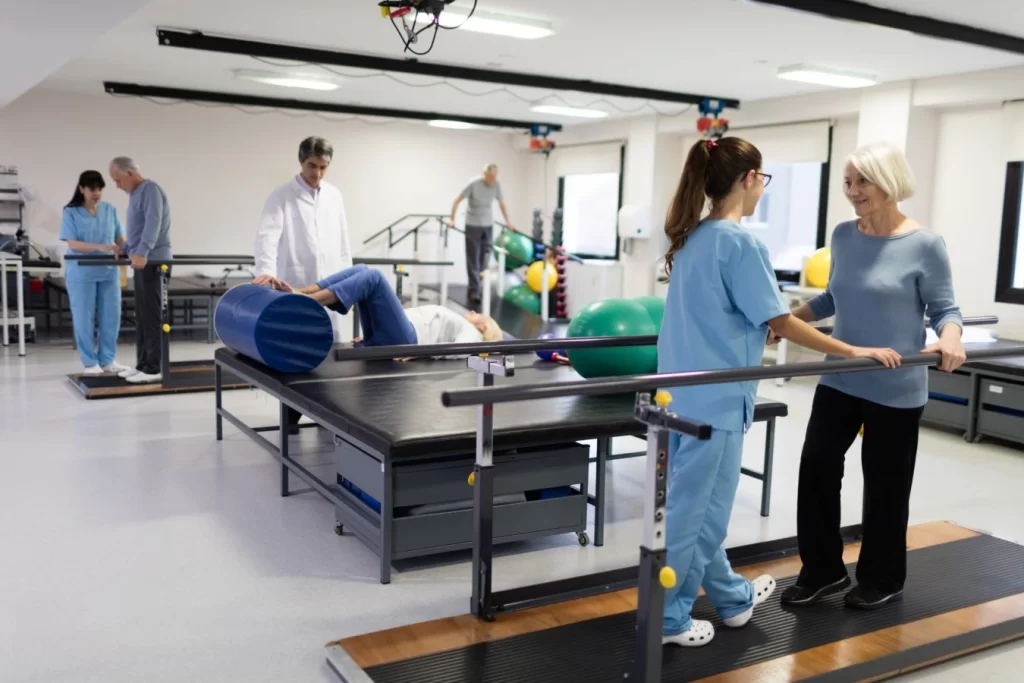
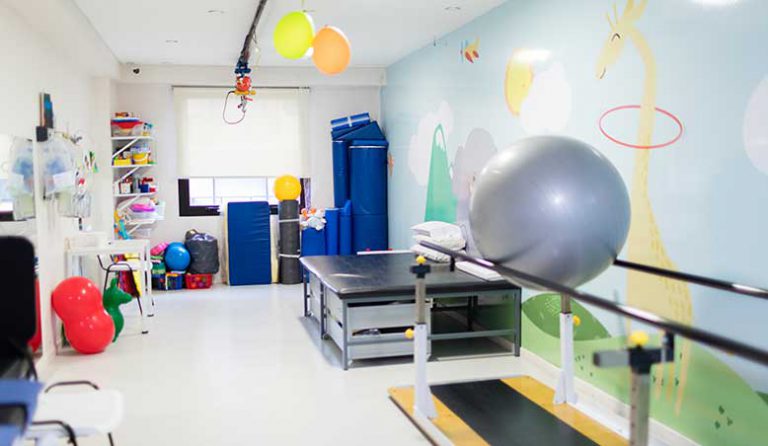
Motor rehabilitation helps restore lost functions and enhance physical potential to improve the patient’s quality of life. It helps restore lost functions and enhance physical potential, aiming to achieve the highest possible level of independence. The ultimate goal is to promote optimal community participation and improve quality of life.
We perform comprehensive evaluations to determine affected mobility areas and underlying impairments in order to set personalized treatment goals. Our rehabilitation gym is fully equipped to meet the needs of our patients.

Rehabilitation is led by specialists in advanced respiratory care, respiratory conditions, and prolonged mechanical ventilation. Respiratory physical therapists assess, diagnose, and apply targeted techniques based on each patient’s condition to support their recovery. For chronically critical patients with tracheostomies and mechanical ventilation, our team works intensively to facilitate weaning from the ventilator and eventual decannulation.
We follow evidence-based clinical protocols to guide treatment.

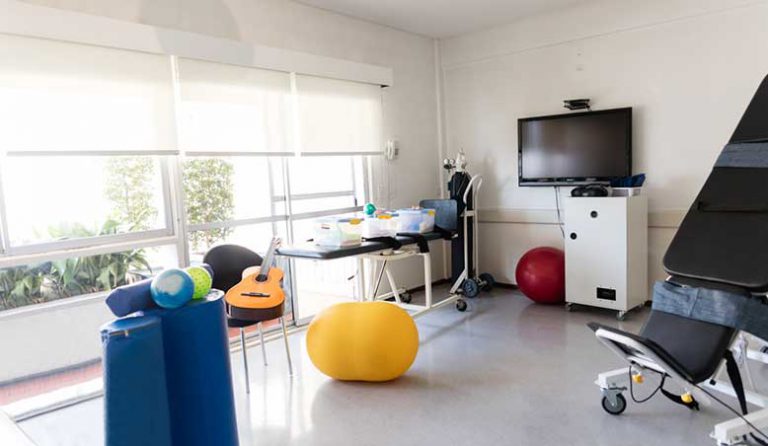
This therapy supports communication, relationships, learning, and emotional expression, contributing to neurological, physical, cognitive, and emotional goals. Music therapy is a health discipline that enhances brain function retraining in areas such as verbal and non-verbal communication, sensorimotor skills, cognitive-perceptual functions, and socio-emotional well-being. Music elements and specific music therapy techniques are used to rehabilitate compromised internal functions, working through compensatory pathways to build new neural connections and create personalized, meaningful therapy plans..

Neuropsychological rehabilitation is a personalized program aimed at recovering or compensating for neurocognitive deficits resulting from acquired brain injury.

Various conditions—such as traumatic brain injury, stroke, neurosurgical procedures, infections, and neurodegenerative diseases—can cause acquired brain damage. Most patients experience varying degrees of cognitive and behavioral impairment that affect their independence and quality of life, as well as that of their families. Even after significant recovery in other areas, cognitive deficits—such as memory, attention, planning, and organizational issues—may persist. Neurocognitive therapy is tailored to each individual’s needs, targeting these specific impairments to restore or compensate for affected cognitive domains.

Psychological support during the different stages of rehabilitation and hospitalization help patients accept the consequences of their condition and facilitate successful social reintegration.

The Subacute Patient Unit (SPU) includes a specialized team and the necessary technology to manage medical complications in hospitalized patients. This approach helps prevent transfers to acute care facilities and maintains continuity in the rehabilitation process.

Our treatment programs incorporate a wide range of therapeutic disciplines to support patient recovery and well-being.

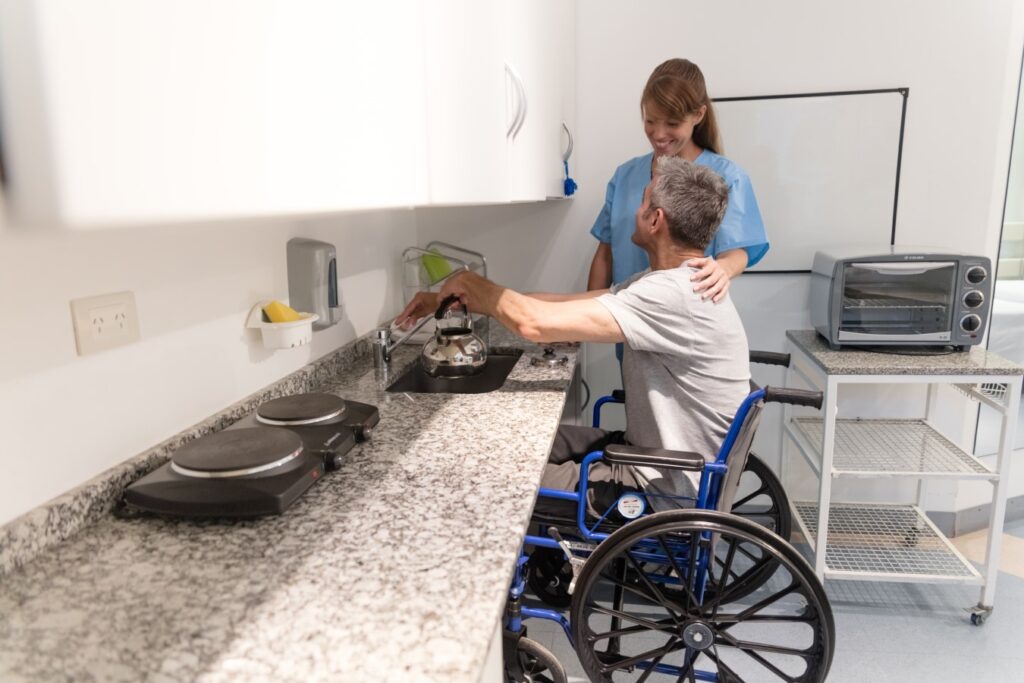
Occupational therapy aims to maximize patients’ functional independence through therapeutic activities.Its goal is to support participation in daily living activities and improve overall quality of life. Daily living activities include self-care, education, work, and leisure, among others. An objective evaluation is conducted to identify the factors affecting performance. Therapists analyze the patient’s various roles and occupations and use activities as a core treatment tool. In some cases, environmental modifications or assistive devices may be recommended to increase participation. To support community reintegration, we offer a simulated home environment—our Activities of Daily Living (ADL) Room—equipped with a kitchen, living room, and bedroom. This space allows patients to practice basic and instrumental daily activities in a more realistic setting than a traditional therapy room.

A group work setting that supports stimulation and rehabilitation.

Our interdisciplinary approach includes a dedicated nutrition and nutritional support team.
Each patient undergoes a nutritional assessment, and a personalized meal plan is created based on their specific condition. Proper nutrition plays a key role in achieving the best possible rehabilitation outcomes.

This area focuses on restoring communication and feeding functions through treatment of speech, language, articulation, and swallowing difficulties.Our aim is to enhance patients’ communication skills , including comprehension and expression,speech, and voice quality.

The goal is to improve clarity and fluency , fostering better social integration and quality of life. Swallowing difficulties (dysphagia) are also addressed, as any patients struggle with food intake and consistency, which may pose health risks.An initial assessment is conducted to understand each patient’s difficulties and define specific treatment goals to restore affected functions

Motor rehabilitation helps restore lost functions and enhance physical potential to improve the patient’s quality of life. It helps restore lost functions and enhance physical potential, aiming to achieve the highest possible level of independence. The ultimate goal is to promote optimal community participation and improve quality of life.
We perform comprehensive evaluations to determine affected mobility areas and underlying impairments in order to set personalized treatment goals. Our rehabilitation gym is fully equipped to meet the needs of our patients.

Rehabilitation is led by specialists in advanced respiratory care, respiratory conditions, and prolonged mechanical ventilation. Respiratory physical therapists assess, diagnose, and apply targeted techniques based on each patient’s condition to support their recovery. For chronically critical patients with tracheostomies and mechanical ventilation, our team works intensively to facilitate weaning from the ventilator and eventual decannulation.
We follow evidence-based clinical protocols to guide treatment.

This therapy supports communication, relationships, learning, and emotional expression, contributing to neurological, physical, cognitive, and emotional goals. Music therapy is a health discipline that enhances brain function retraining in areas such as verbal and non-verbal communication, sensorimotor skills, cognitive-perceptual functions, and socio-emotional well-being. Music elements and specific music therapy techniques are used to rehabilitate compromised internal functions, working through compensatory pathways to build new neural connections and create personalized, meaningful therapy plans..

Neuropsychological rehabilitation is a personalized program aimed at recovering or compensating for neurocognitive deficits resulting from acquired brain injury.

Various conditions—such as traumatic brain injury, stroke, neurosurgical procedures, infections, and neurodegenerative diseases—can cause acquired brain damage. Most patients experience varying degrees of cognitive and behavioral impairment that affect their independence and quality of life, as well as that of their families. Even after significant recovery in other areas, cognitive deficits—such as memory, attention, planning, and organizational issues—may persist. Neurocognitive therapy is tailored to each individual’s needs, targeting these specific impairments to restore or compensate for affected cognitive domains.

Psychological support during the different stages of rehabilitation and hospitalization help patients accept the consequences of their condition and facilitate successful social reintegration.

Our treatment programs incorporate a wide range of therapeutic disciplines to support patient recovery and well-being.

Occupational therapy aims to maximize patients’ functional independence through therapeutic activities.Its goal is to support participation in daily living activities and improve overall quality of life. Daily living activities include self-care, education, work, and leisure, among others. An objective evaluation is conducted to identify the factors affecting performance. Therapists analyze the patient’s various roles and occupations and use activities as a core treatment tool. In some cases, environmental modifications or assistive devices may be recommended to increase participation. To support community reintegration, we offer a simulated home environment—our Activities of Daily Living (ADL) Room—equipped with a kitchen, living room, and bedroom. This space allows patients to practice basic and instrumental daily activities in a more realistic setting than a traditional therapy room.

Inside Santa Catalina

PROFESSIONAL TEAM

The multidisciplinary team of professionals at Santa Catalina helps patients in every step of their process to improve their quality of life.

EQUIPMENTS

At Santa Catalina, we foster technological innovation, constantly incorporating up-to-date equipment.
It encourages the optimization of the comprehensive treatment of our patients.

A stationary bike equipped with functional electrical stimulation technology, used for aerobic training in patients with spinal cord injuries.
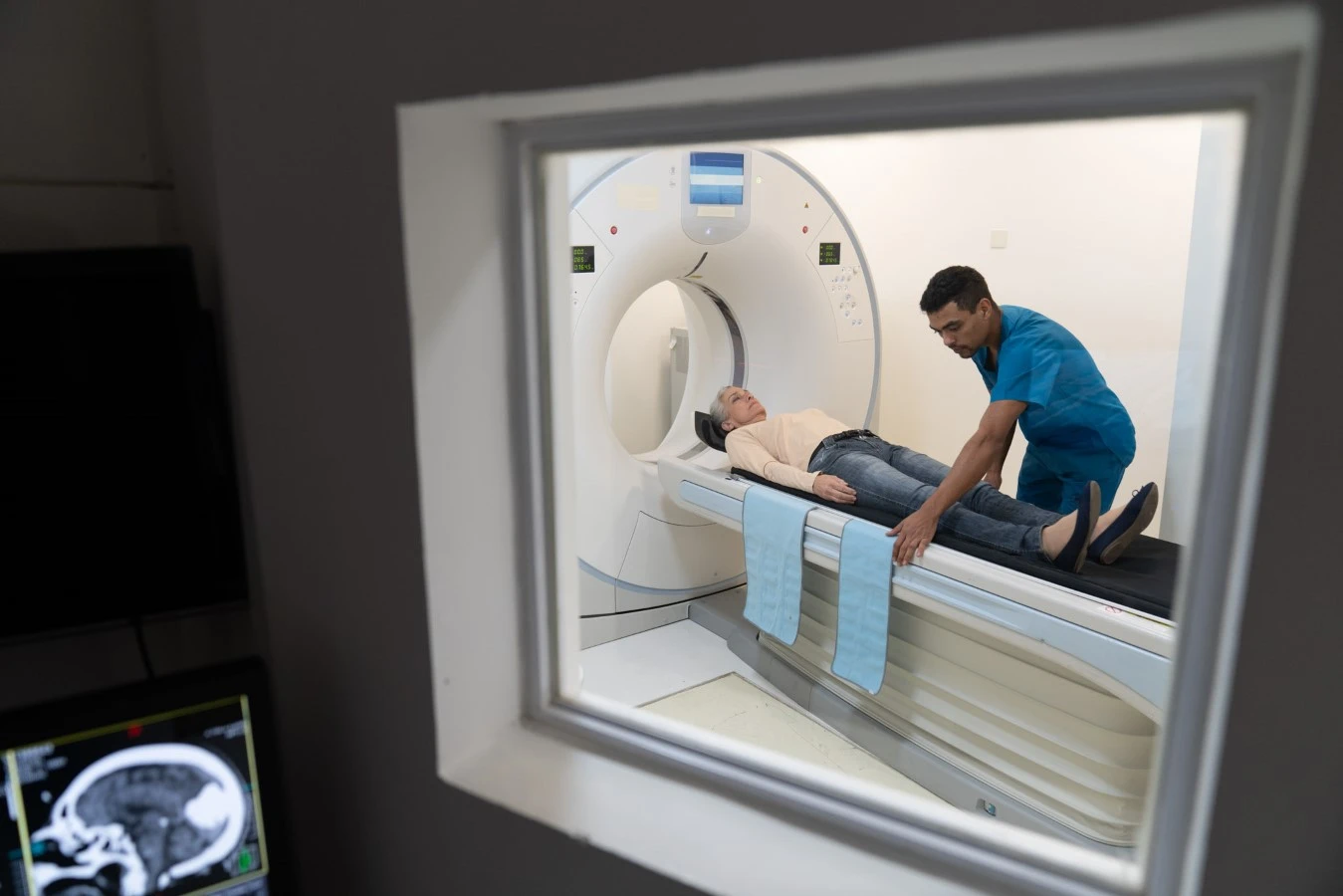
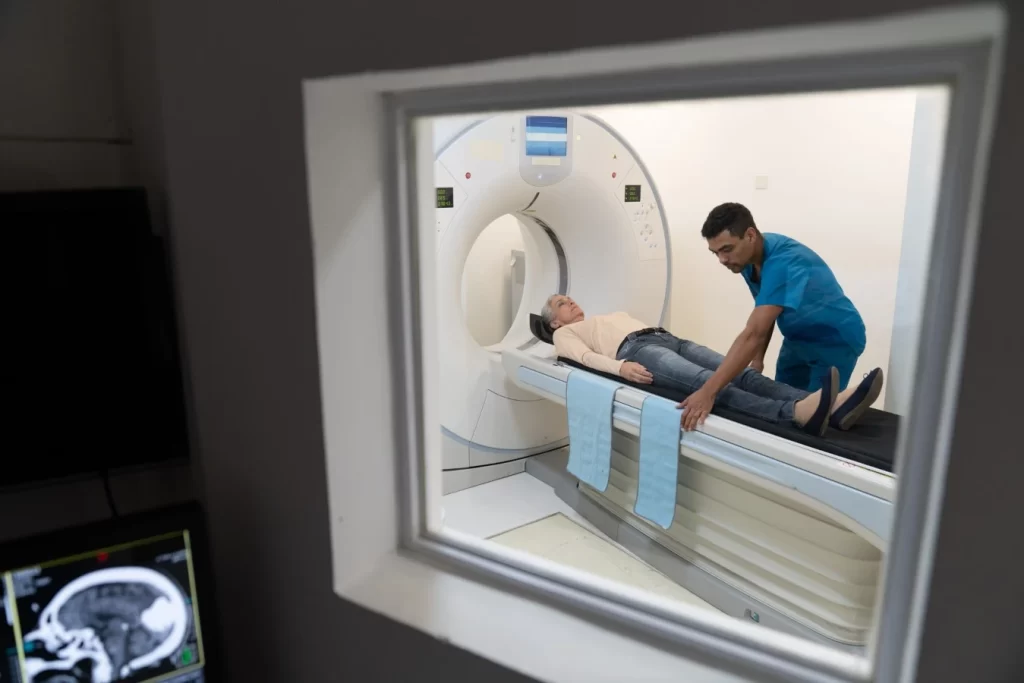
Used for the diagnosis and monitoring of conditions affecting organs and tissues.
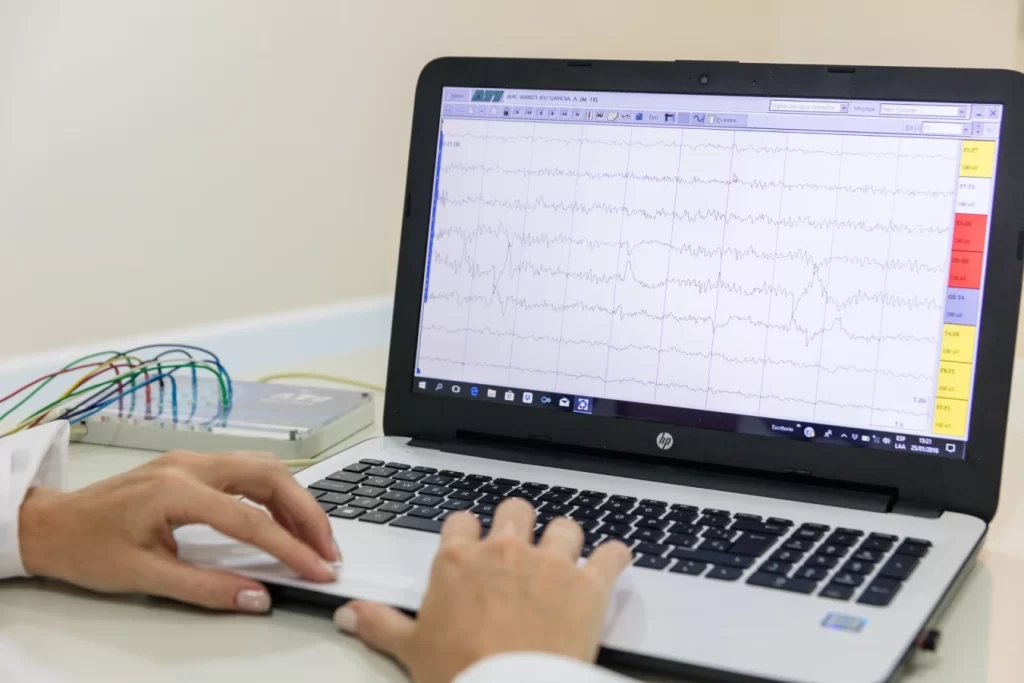
A test used to detect abnormalities in the brain’s electrical activity.
Allows for early prognosis and the detection of the first signs of nerve regeneration before any clinical manifestation.
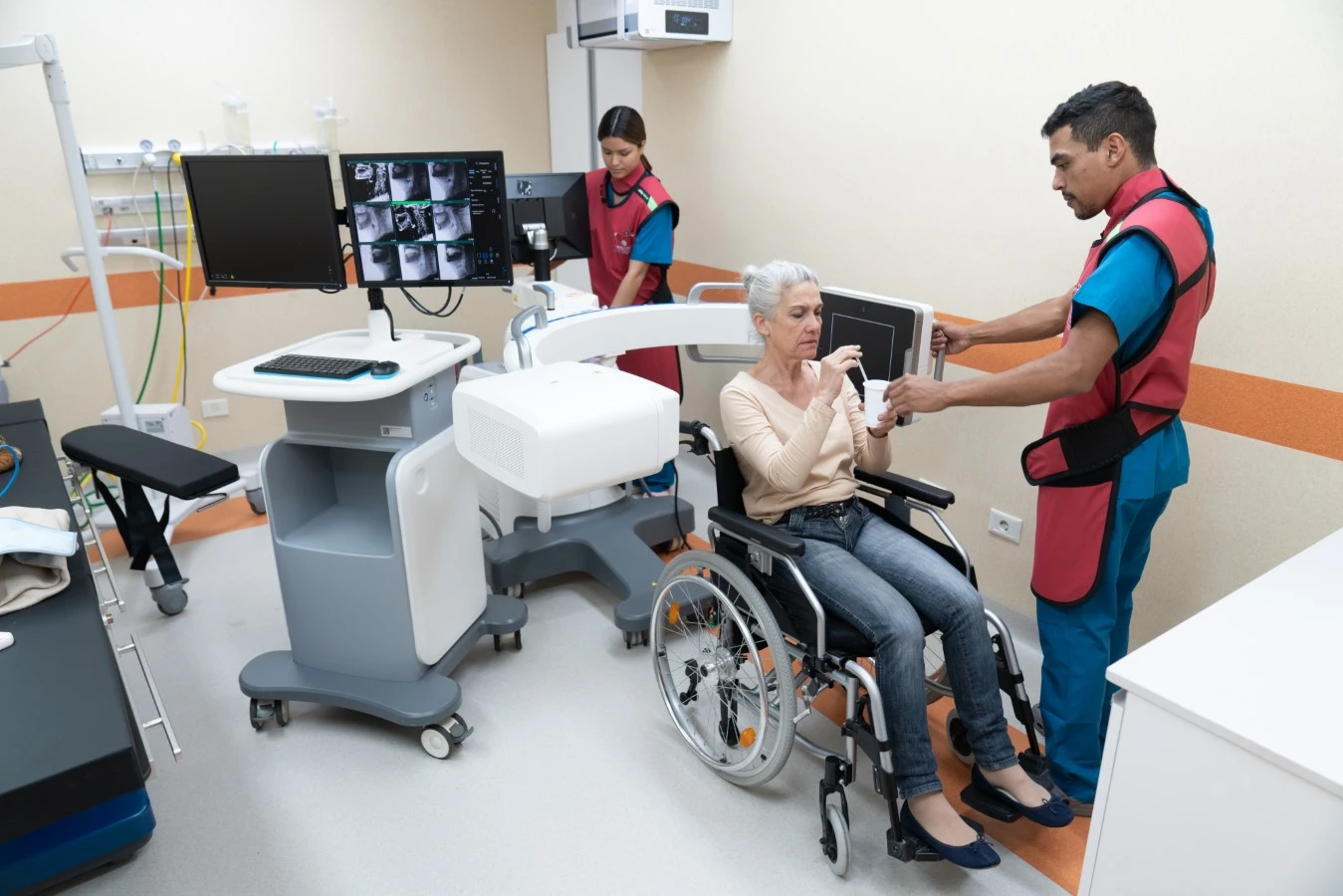
Equipment used to perform videofluoroscopy of swallowing, a procedure that visualizes and assesses the swallowing of food and liquids using video technology.
Fixed and portable devices specifically designed for mechanical respiratory support, as well as rooms equipped with central oxygen, suction, and compressed air.
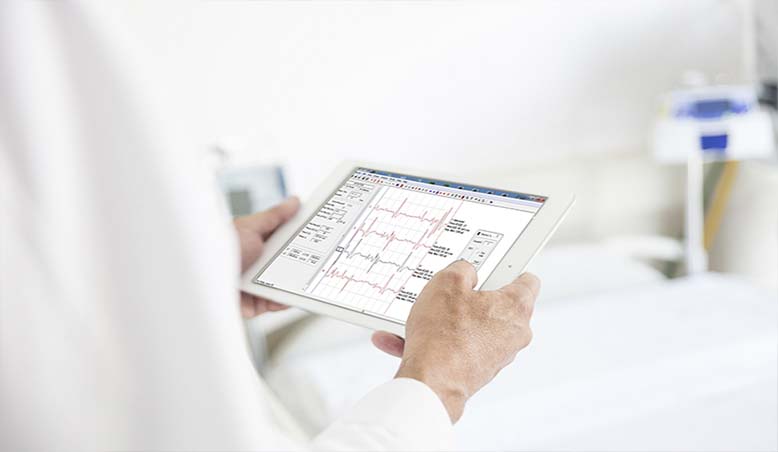
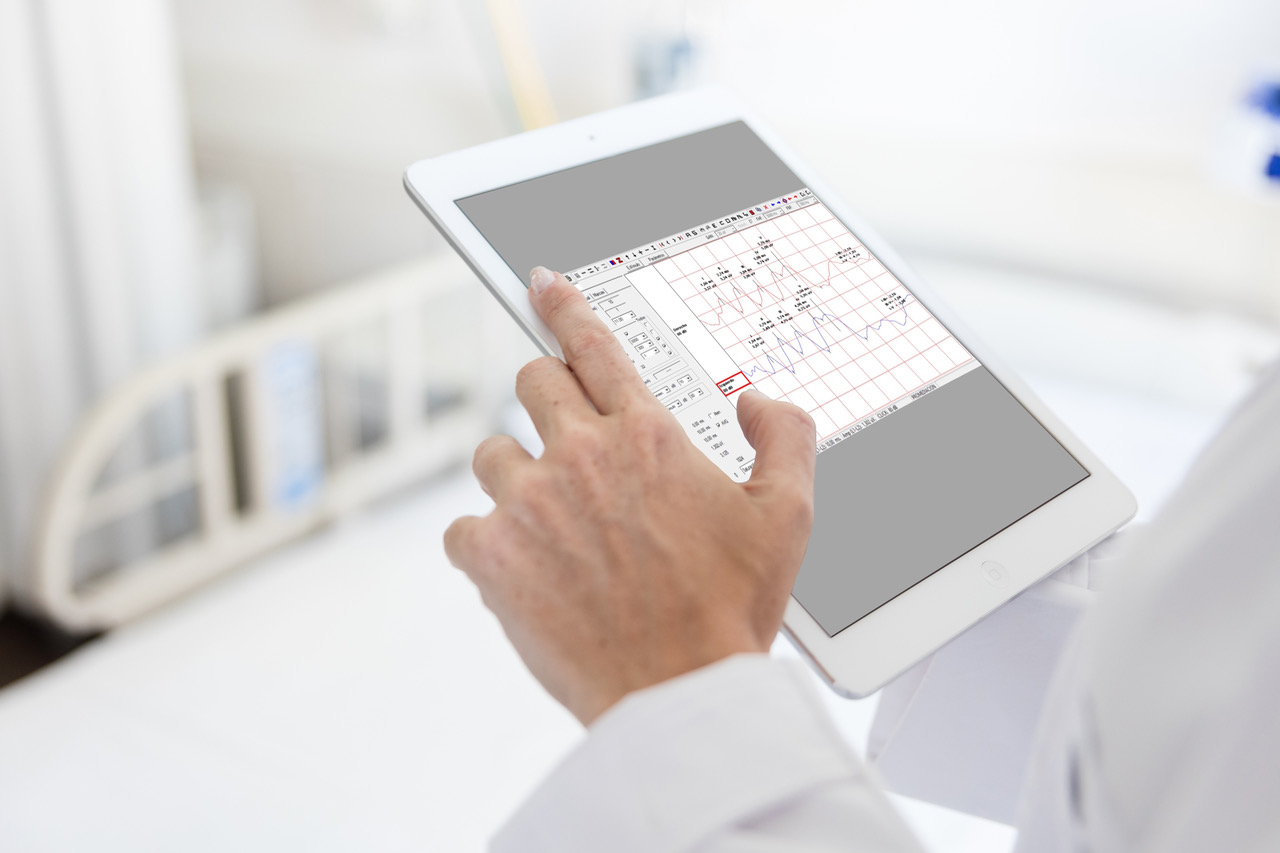
Evoked potential testing stands for tests that assess the proper functioning of the nervous system in response to visual, tactile, or auditory stimuli.
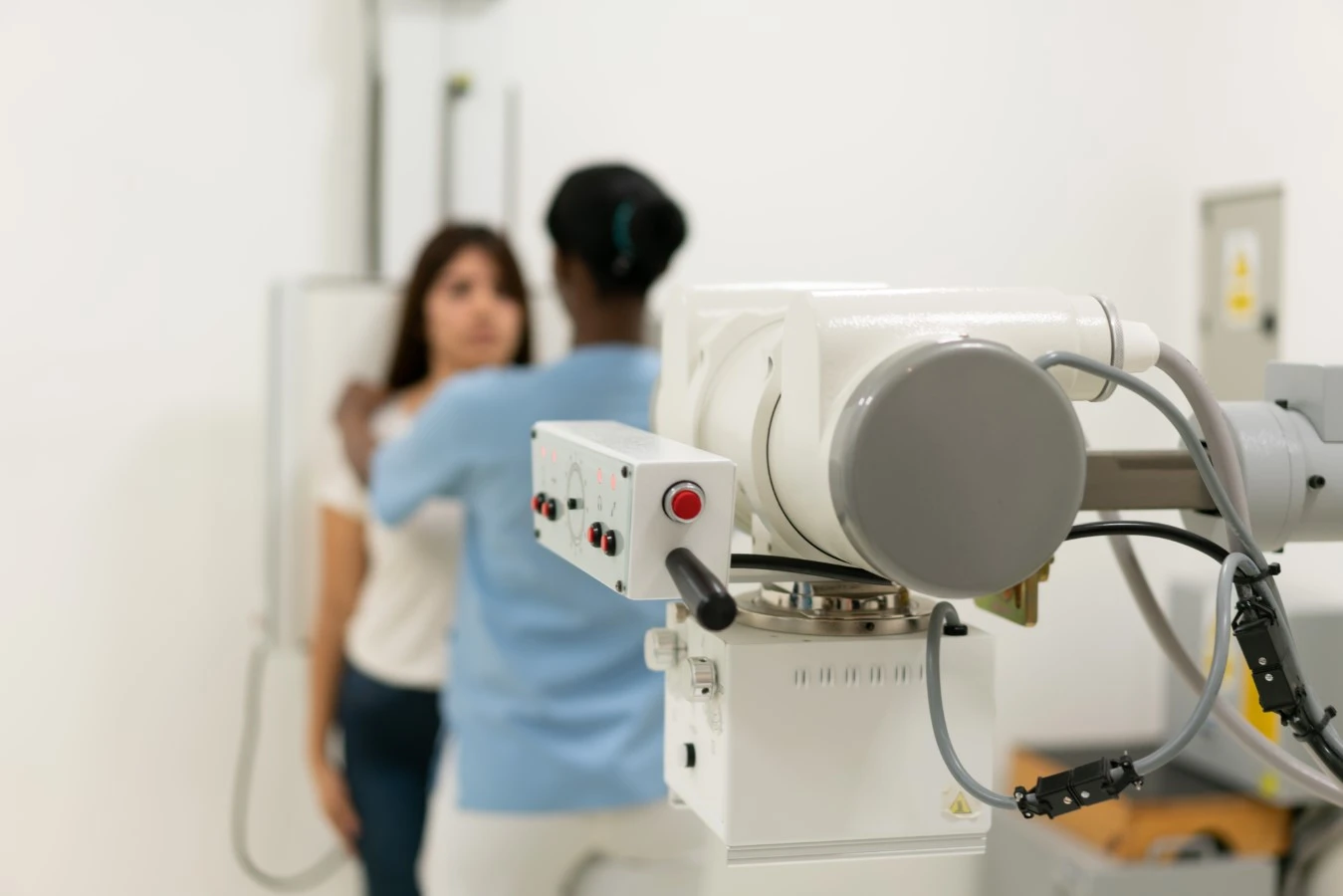
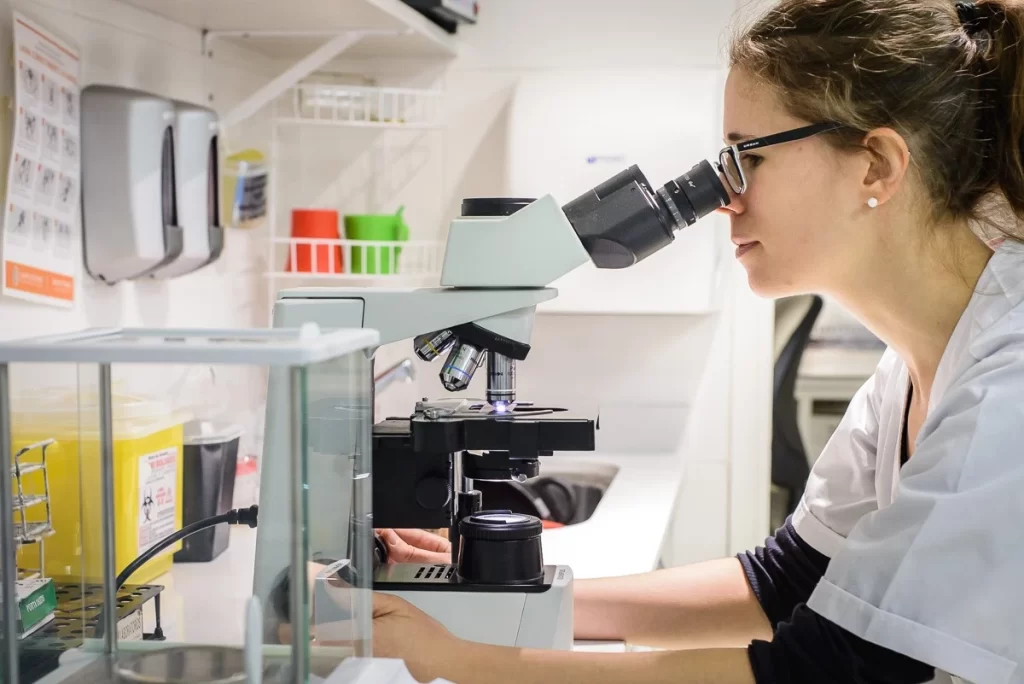
Fixed and portable equipment for the diagnosis and monitoring of various conditions.
We develop software applications and electronic devices that enable patients to carry out daily activities.
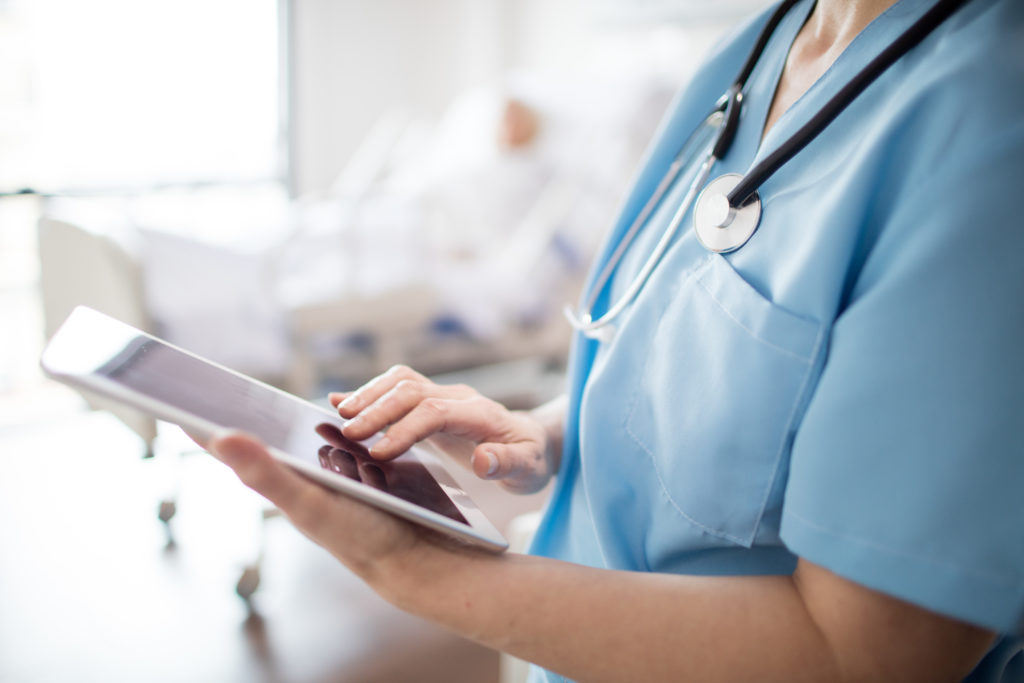
Used for the diagnosis and monitoring of various medical conditions.
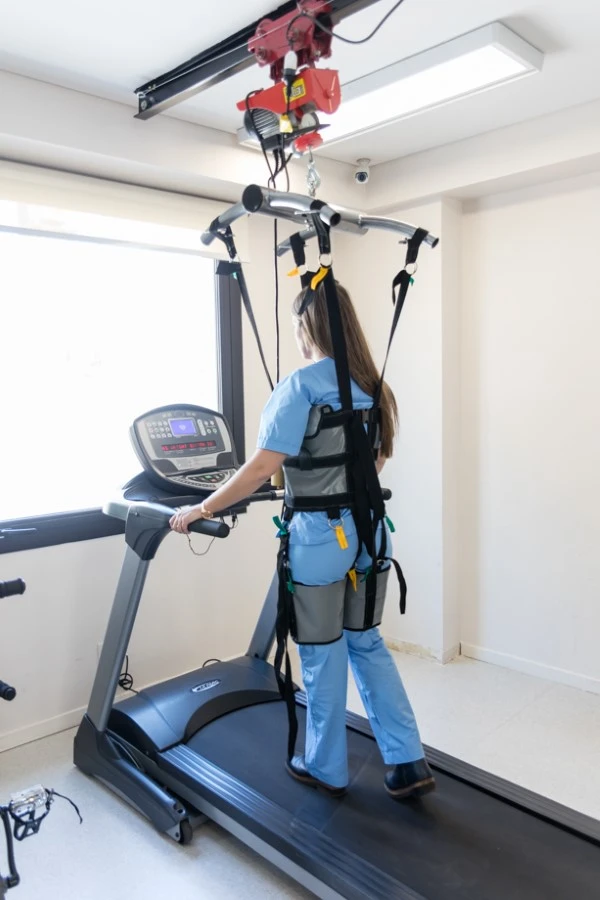
A treadmill with body weight support, used for gait training.
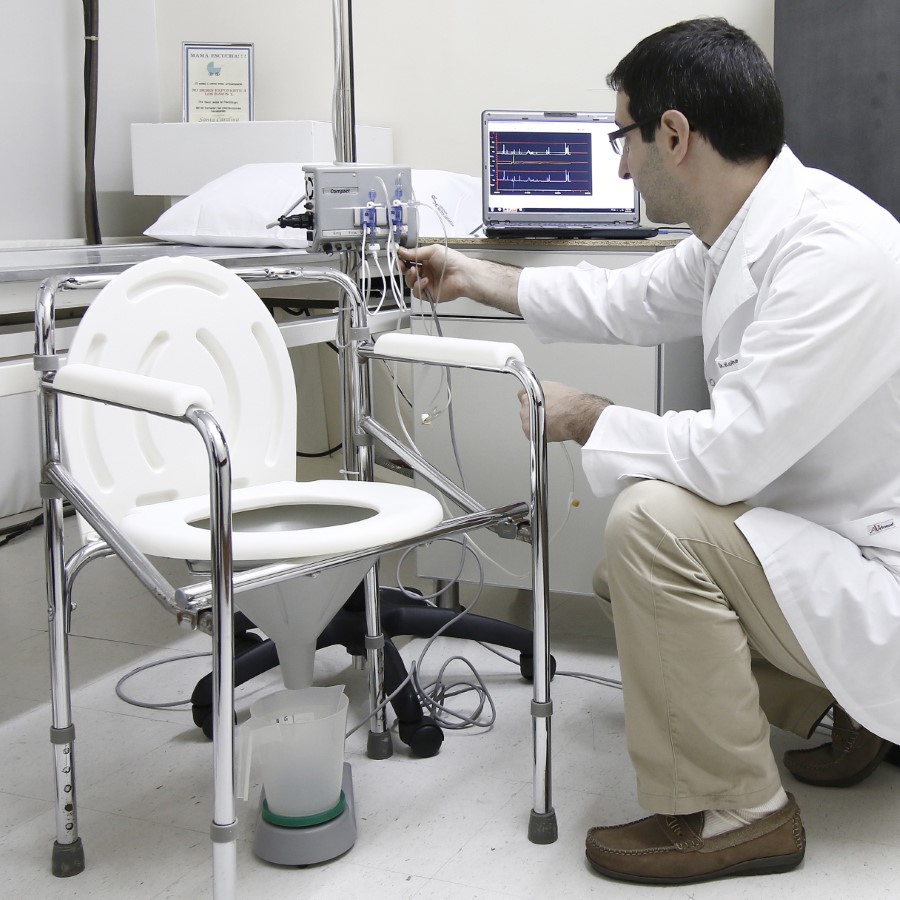
We offer specialized equipment for conducting urodynamic studies.
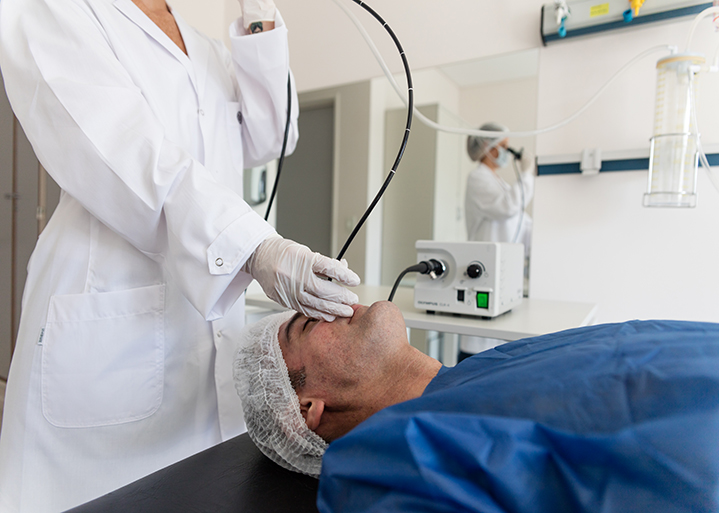
Used to evaluate airway injuries in tracheostomized patients and to assess anatomy in patients with swallowing disorders.

LOCATIONS

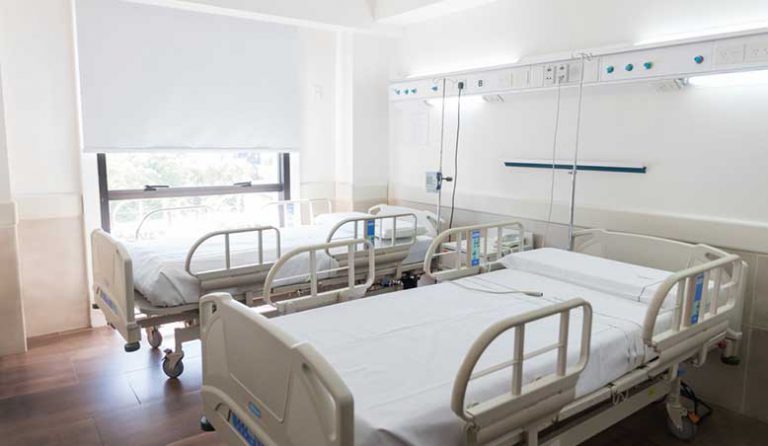
Our facilities offer comfort and wellness throughout routine activities and specialized care.
SANTA CATALINA

Clinic Neurorehabilitation

More than 35 years of experience in rehabilitation of young and adult patients with traumatological, neurological and post-surgery pathologies.
LOCATIONS

Amenábar I Amenábar 3554 (C1429AEN). CABA
Azurduy | Juana Azurduy 3465 (C1430AQA), CABA
Basilea I Solís 1025 (C1078AAU), CABA
Catamarca I Catamarca 934 (C1231AAJ), CABA
Del Parque I Internación | Terrada 2749 ( C1417CWH), CABA
Del Parque II Ambulatorio | Terrada 2764 ( C1417CWH), CABA
Del Parque III Ambulatorio | Córdoba 2464 (B1640GVX), Martínez
México I México 2990 (C1223ABJ), CABA
Remeo I Antártida Argentina 340 (B1629KOl). Pilar
Ulme I Núñez 2683 (C1429BWM). CABA
Venezuela I Venezuela 2592 (C1096ABT), CABA

SOCIAL NETWORKS

Join Us

    © 2025 Santa Catalina. Todos los derechos reservados. Desarrollado por SUMA AGENCIA